How the Insurance Appraisal Clause Works for Dallas Homeowners

When you and your insurer agree that a loss is covered but can't agree on how much it's worth, most Texas homeowner policies offer a way out that doesn't involve a courtroom. The insurance appraisal clause lets each side hire an appraiser, and if they can't agree, a neutral umpire decides. It's one of the most common ways disputed hail and wind claims get resolved in North Texas.
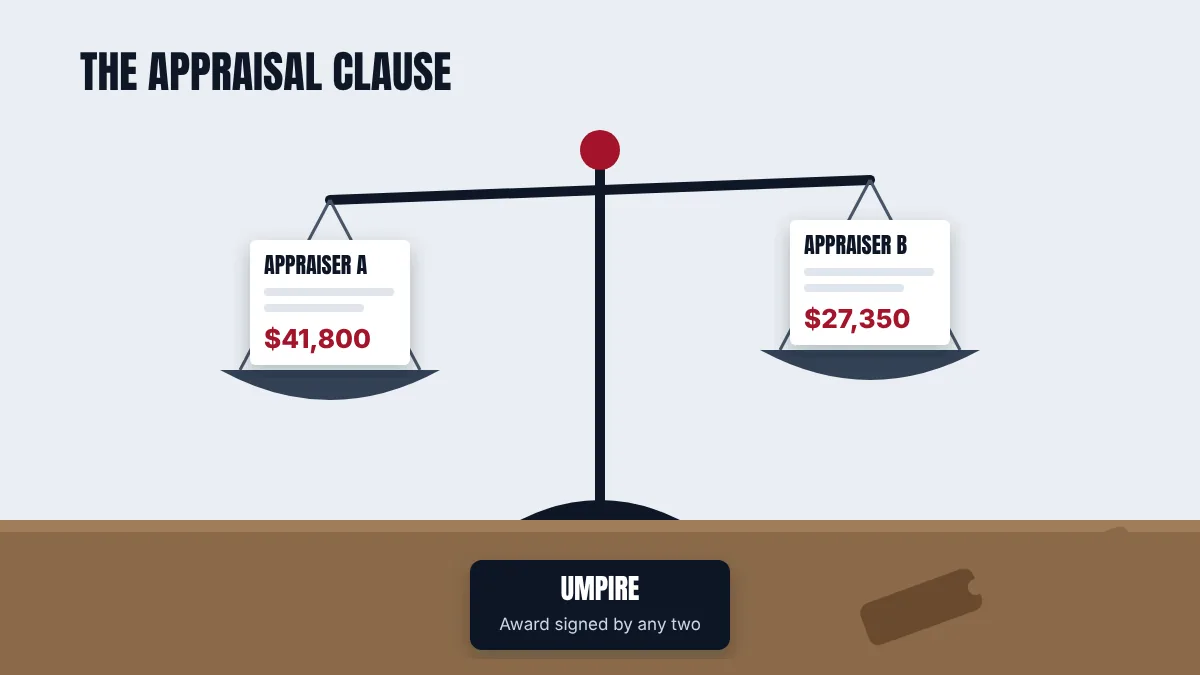
Insurance appraisal clause illustration with two appraiser estimates and an umpire
In appraisal, each side's appraiser prices the loss and an umpire settles the difference.

Joseph Dittman has worked inside the insurance appraisal clause process from every angle — as an appraiser for homeowners, as an appraiser on the other side, and as an umpire. He closed 463 appraisals in 2025 alone. This guide explains how the process works, when it makes sense, and what it can and can't do.

What the Insurance Appraisal Clause Says

The wording varies by policy, but a typical appraisal clause says something like: if you and we fail to agree on the amount of loss, either may demand an appraisal. Each side then names its own appraiser — the policy usually calls for one who is 'competent and impartial' — within a fixed number of days. The two appraisers select an umpire. If they can't agree on an umpire, either party may ask a court to appoint one. The appraisers separately set the amount of loss. If they agree, that amount is binding. If they don't, they submit their differences to the umpire, and whatever two of the three sign off on becomes the amount.

Each side typically pays its own appraiser and splits the umpire's fee.

When Appraisal Makes Sense

Appraisal is built for disputes about the amount of loss. Good candidates include:

  • The carrier agrees hail damaged the roof but pays for repair instead of replacement
  • The estimates differ on quantities, pricing, or line items
  • The carrier left out items like gutters, fence, or interior damage
  • Disagreement over the extent of water damage after a covered leak
  • Disputes over the cost to rebuild after a fire or tornado

Appraisal is generally not the right tool when the carrier denies coverage entirely — for example, claiming the damage was caused by an excluded peril. Coverage questions are typically for the courts, and a Texas-licensed attorney is the right resource there. That said, Texas courts have held that appraisers can determine the amount of damage caused by a covered peril, which sometimes involves separating covered from non-covered damage.
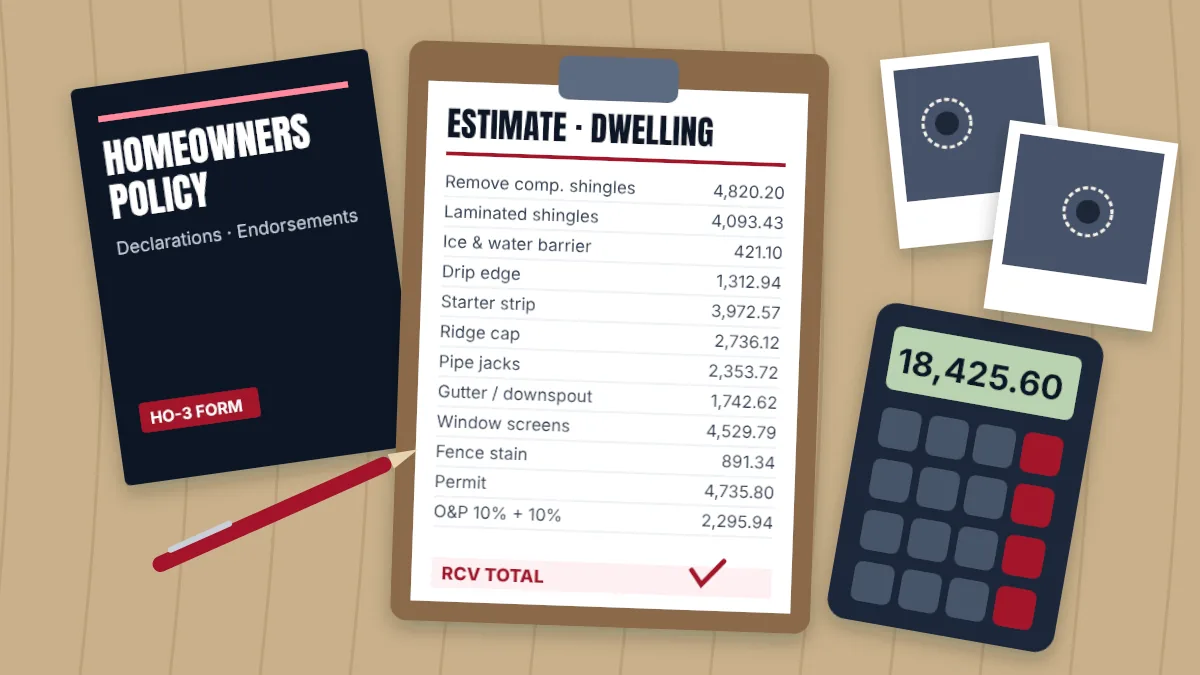
Line-item insurance claim estimate, homeowners policy, and calculator for a Dallas claim
A line-item estimate priced the way local contractors actually bill the work.

How the Insurance Appraisal Clause Process Unfolds

  1. Written demand. One party demands appraisal in writing, naming its appraiser.
  2. Other side names its appraiser within the time the policy specifies, often 20 days.
  3. Umpire selection. The two appraisers try to agree on an umpire. If they can't, a court can appoint one.
  4. Inspection. Both appraisers inspect the property, often together.
  5. Negotiation. The appraisers compare estimates and try to reach agreement.
  6. Umpire. If they can't agree, they submit their differences to the umpire, who reviews the evidence and may inspect.
  7. Award. Once two of the three panel members sign an award, the amount of loss is set.
  8. Payment. The carrier pays the award, minus the deductible, prior payments, and any applicable depreciation, subject to policy terms.

A residential appraisal in Dallas often takes a few weeks to a few months, depending on scheduling and complexity.

8

years adjusting claims

463

appraisals closed in 2025

15

Dallas-area neighborhoods and suburbs

$0

upfront to get started

Choosing an Appraiser

The policy's impartiality requirement applies, but beyond that you want someone seasoned in your type of loss. Look for someone who:

  • Understands construction and estimating software
  • Has handled appraisals on similar claims (hail roofs, water losses, fires)
  • Knows how umpires in the area tend to evaluate evidence
  • Is transparent about fees

Appraiser fees vary: some charge hourly, some a flat fee, and some a percentage of the award. Ask upfront.

What Umpires Look For

From the umpire's chair, the strongest submissions share common traits: clear photos tied to locations on the roof or in the house; measurements that can be verified; line-item estimates with reasonable local pricing; documentation of matching or repairability problems; and a clear explanation of why each disputed item is necessary. Umpires are skeptical of padded estimates and of carrier estimates that ignore obvious damage. Documentation beats argument.

Preparing Your Claim for a Possible Appraisal

Even if you never invoke appraisal, documenting a claim as though it might end up in front of an umpire makes it stronger in ordinary negotiation. Practical steps:

  • Photograph damage with both close-ups and wide shots that show location; label photos by slope or room.
  • Keep test-square counts and measurements for each roof slope.
  • Get the carrier's estimate and set it beside yours item by item, noting each disputed item and why.
  • Save supplier letters about discontinued materials and brittleness test photos.
  • Keep a dated log of inspections, calls, and correspondence.
  • Preserve damaged materials when practical — a sample shingle, a section of failed pipe.

Appraisals are often won or lost on whether the evidence lets a neutral umpire verify each item quickly. A file that's organized around the disputed items gives the umpire less reason to split the difference and more reason to accept a well-supported number.

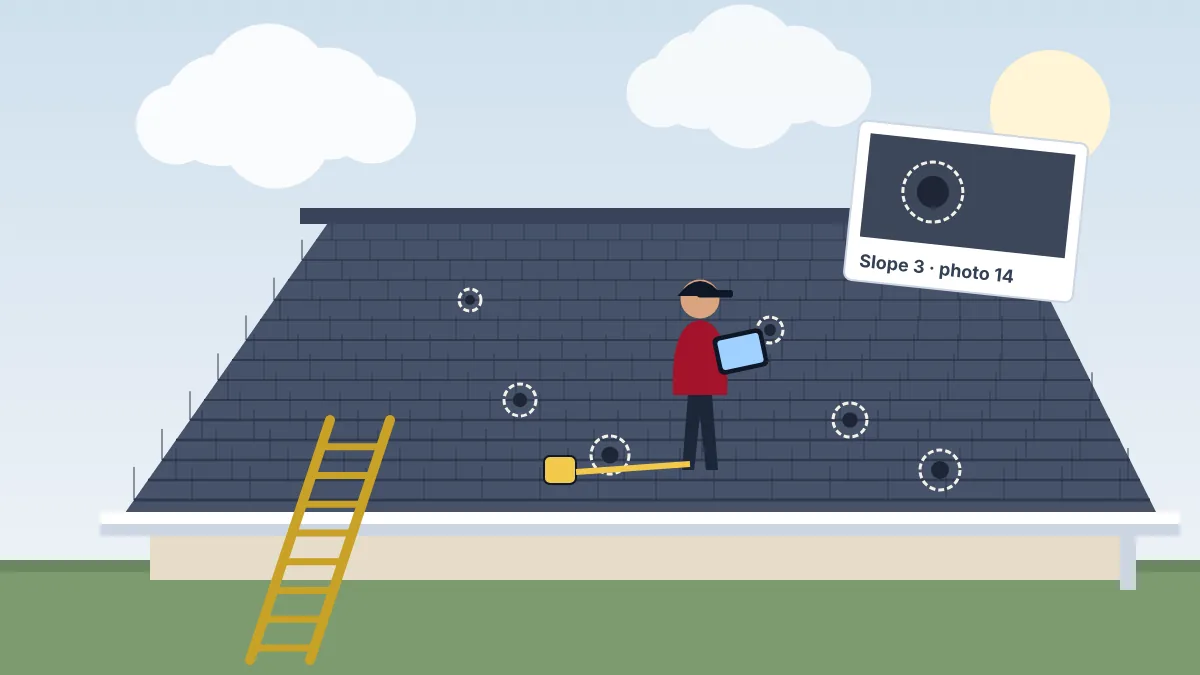
Public adjuster inspecting a Dallas roof with a tablet, ladder, and chalk-marked hail hits
Every slope is photographed, measured, and marked before an estimate is written.

Appraisal and Texas Chapter 542A

Under Chapter 542A of the Texas Insurance Code, which applies to weather-related claims, an insurer that receives pre-suit notice may demand appraisal within a specified window. Appraisal can therefore come up even after a homeowner has hired an attorney. Texas courts have also addressed how paying an appraisal award affects later claims for interest or attorney's fees. Those are legal questions for an attorney, but they show how central appraisal has become in Texas property claims.

What Happens After the Appraisal Award

Once an award is signed, the carrier generally issues payment based on it, after subtracting the deductible, anything already paid, and depreciation that's recoverable only when repairs are done. Read the award carefully: it may list replacement cost and actual cash value separately, and it may break out the amounts by coverage. Keep a copy with your claim records. If depreciation was withheld, you'll typically still need to complete repairs and submit invoices to recover it within the policy's time limit. Questions about whether the award affects other claims, such as interest or fees, belong with an attorney.

Pros and Cons of Invoking the Insurance Appraisal Clause

ProsCons
Usually faster and less expensive than litigationYou pay your appraiser and half the umpire
Decided by people with construction and claims knowledgeGenerally doesn't resolve coverage disputes
Award is binding on the amount of lossLimited ability to challenge an award you dislike
Can resolve stalemates that negotiation can'tOutcome depends heavily on documentation quality

Frequently asked questions

Can my insurance company force appraisal?

If your policy has an appraisal clause, either party can usually demand it when there's a dispute over the amount of loss.

Is an appraisal award binding?

Generally yes, as to the amount of loss. Texas courts set aside awards only in limited circumstances, such as fraud or an award made without authority.

Can a public adjuster be my appraiser?

A public adjuster who has been advocating for you may not meet the policy's impartiality requirement. Many homeowners hire a separate independent appraiser. Ask about the specifics of your policy.

How much does appraisal cost?

You pay your appraiser and typically half the umpire's fee. Costs vary with the size and complexity of the claim.