ACV vs Replacement Cost Roof Coverage: What Texas Homeowners Should Know

Two Dallas homeowners on the same street can have identical hail damage and receive very different checks. The difference often comes down to one line in their policies: whether the roof is covered on an actual cash value (ACV) or replacement cost (RC) basis. Understanding ACV vs replacement cost roof coverage before a storm can save you from a painful surprise after one.
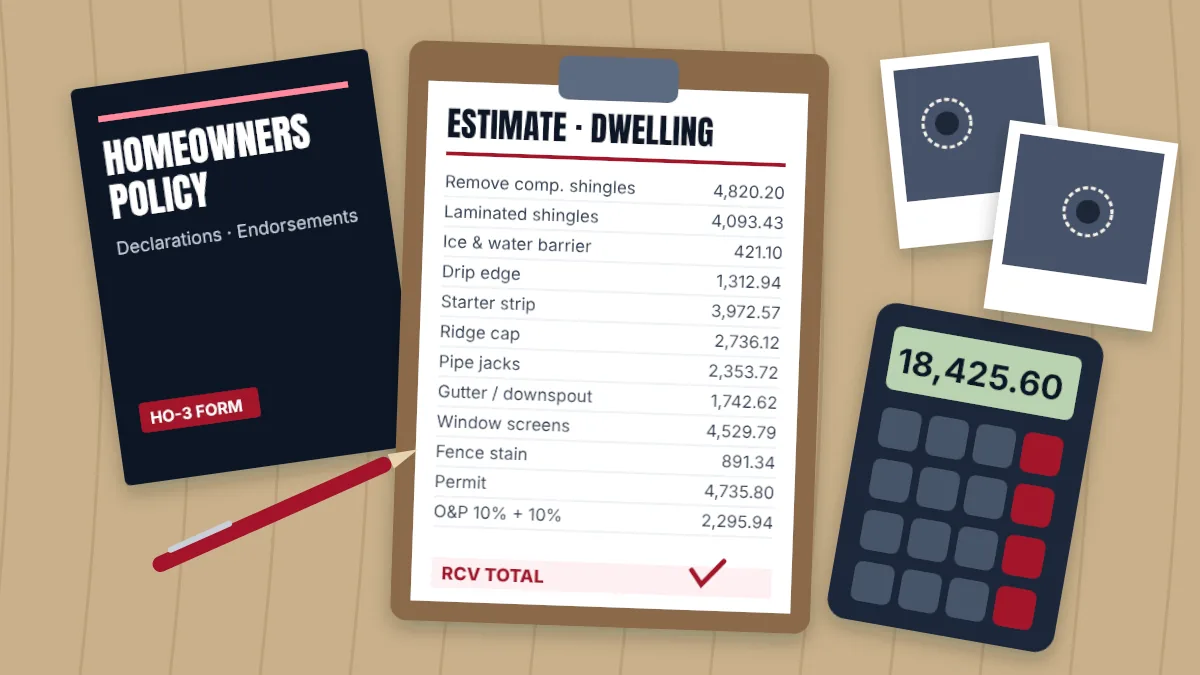
Line-item insurance claim estimate, homeowners policy, and calculator for a Dallas claim
A line-item estimate priced the way local contractors actually bill the work.

This guide explains the ACV vs replacement cost roof distinction, how depreciation is calculated, how roof payment schedules work, how to recover withheld depreciation, and what to look for in your policy. Insurers in Texas have shifted many policies toward ACV roof coverage in recent years, especially for older roofs, so it's worth checking yours now.

The Basic Difference

  • Replacement cost (RC) pays what it costs to replace the damaged roof with new materials of like kind and quality, without deducting for age or wear (subject to your deductible).
  • Actual cash value (ACV) pays replacement cost minus depreciation — the reduction in value due to age, wear, and condition.

On a new roof, the difference is small. On a 15-year-old roof, depreciation can take a big bite out of the payment.

How Roof Depreciation Is Calculated

Depreciation usually reflects the roof's age relative to its expected life. A simplified example:

  • Replacement cost of the roof: $18,000
  • Roof age: 12 years
  • Expected life used by the carrier: 25 years
  • Depreciation: 12 ÷ 25 = 48%, or $8,640
  • ACV: $18,000 − $8,640 = $9,360
  • Minus a $5,000 wind/hail deductible: $4,360 paid

Under a replacement cost policy, the carrier would typically pay the $4,360 first and then release the $8,640 in depreciation after the roof is replaced. Under an ACV roof policy, the $8,640 is gone for good. Carriers don't all use the same life expectancies, and depreciation on labor is treated differently depending on the policy and the carrier's practices.
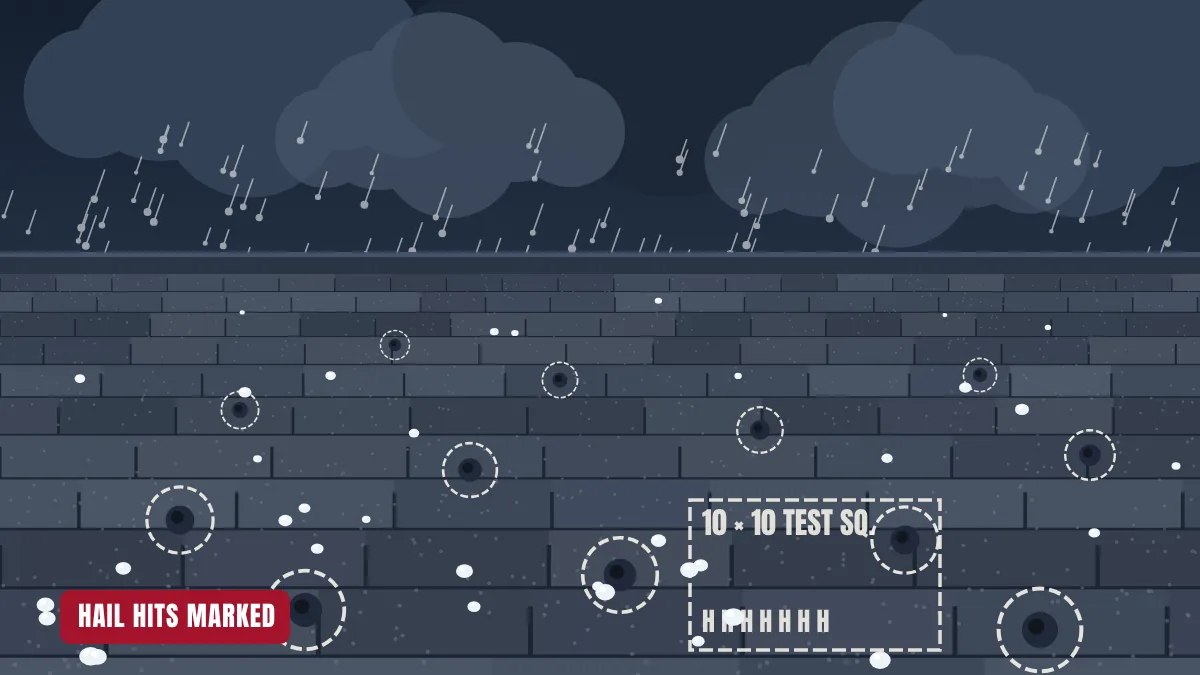
Chalk-circled hail hits on asphalt shingles during a Dallas hail damage roof inspection
Hail bruises are marked and counted slope by slope, including a 10×10 test square.

Roof Payment Schedules

Some Texas policies use a roof surface payment schedule — a table in the endorsement that sets the percentage of replacement cost paid based on the roof's age and material. For example, a schedule might pay 100% for a roof under a certain age and step down each year after that. These schedules can be less generous than standard depreciation for older roofs. If your policy has one, find the table and calculate what it would pay for your roof's age before you file.

8

years adjusting claims

463

appraisals closed in 2025

15

Dallas-area neighborhoods and suburbs

$0

upfront to get started

ACV vs Replacement Cost Roof: How to Tell Which You Have

Look at your declarations page and endorsements for:

  • 'Actual Cash Value Roof Endorsement' or 'ACV Roof Surfacing'
  • 'Roof Surface Payment Schedule'
  • 'Limited Roof Coverage' or similar language
  • References to roof age in the coverage section

If you don't see any of these and your dwelling coverage is replacement cost, your roof is probably covered at replacement cost. If you're unsure, ask your agent or request a certified copy of the full policy. Some carriers apply ACV only to roofs over a certain age; others apply it to all roofs or specific materials.

Recovering Withheld Depreciation

On a replacement cost policy, the depreciation the carrier holds back is often called recoverable depreciation or holdback. To recover it:

  1. Complete the repair or replacement.
  2. Submit the final invoice from your contractor, often with photos.
  3. Do it within the time limit in your policy — commonly 180 days to two years from the date of loss or the first payment.

If the final cost is less than the estimate, the carrier generally pays only what you actually spent (up to the estimate). If it's more because of hidden damage or code requirements, submit a supplement with documentation before or during the work.

Common Disputes on ACV Roof Claims

  • Roof age. The carrier may estimate age from appearance or public records. If you have a receipt or permit showing a newer installation date, provide it.
  • Excessive depreciation. Depreciation should reflect actual condition, not just age. A well-maintained roof may warrant less.
  • Depreciating non-roof items. Make sure ACV roof provisions aren't being applied to gutters, siding, or other items that are covered at replacement cost.
  • Labor depreciation. How labor is treated can significantly affect the payment; check your policy and the estimate.
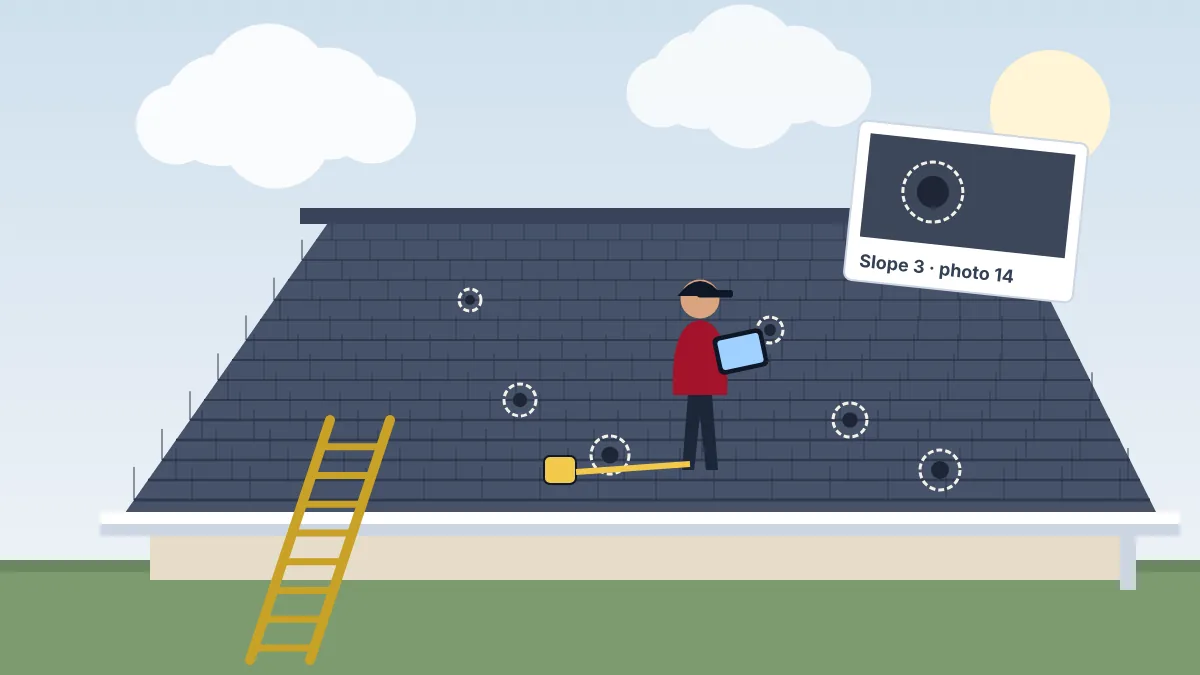
Public adjuster inspecting a Dallas roof with a tablet, ladder, and chalk-marked hail hits
Every slope is photographed, measured, and marked before an estimate is written.

An ACV vs Replacement Cost Roof Example on a Dallas Street

Here's a composite illustration of how the same storm can produce very different results. Two neighbors in a Garland subdivision each have a 2,400-square-foot home with a 14-year-old laminated shingle roof. A spring hailstorm damages both roofs badly enough for full replacement, estimated at about $17,000 each. Both have a $300,000 dwelling limit and a 1% wind/hail deductible of $3,000.

  • Neighbor A has replacement cost on the roof. The carrier applies depreciation of roughly $8,000 and pays about $6,000 upfront (ACV minus the deductible). After the new roof is installed and the invoice is submitted, the carrier releases the $8,000 holdback. Total paid: about $14,000, and Neighbor A covers the $3,000 deductible.
  • Neighbor B has an ACV roof endorsement. The carrier pays the same $6,000 — and that's it. The $8,000 of depreciation is never paid. Neighbor B covers $11,000 of the new roof out of pocket.

The roofs, the storm, and the damage were identical. The policy language made an $8,000 difference. That's why reviewing the roof provisions at renewal — not after the storm — matters.

Questions to Ask Your Agent at Renewal

  • Is my roof covered at replacement cost or actual cash value?
  • Is there a roof payment schedule, and what percentage would it pay at my roof's current age?
  • Would replacing my roof, or installing impact-resistant shingles, change the coverage or the premium?
  • Is a cosmetic damage exclusion attached, and can it be removed?
  • What's my wind/hail deductible in dollars?

Write down the answers and keep them with your policy. If you ever need to file, you'll already know what to expect.

What Dallas Homeowners Can Do Now

  • Find your roof's installation date and keep the receipt and permit.
  • Read your policy for ACV or roof schedule endorsements.
  • Calculate what you'd receive on a total roof loss after depreciation and deductible.
  • Ask your agent about options to keep replacement cost on the roof, and the premium difference.
  • Consider impact-resistant shingles when you reroof — some carriers offer discounts.
  • Photograph your roof's condition annually so you can document pre-storm condition.

One more habit worth adopting: whenever you have roof work done — even a minor repair — save the invoice and a few photos with the date. If you ever need to show the roof's true age or condition to an adjuster, those records carry far more weight than a guess based on how the shingles look from the street.

Frequently asked questions

What does ACV mean on a roof insurance claim?

Actual cash value: the replacement cost minus depreciation for age and wear. You receive the depreciated value, minus your deductible.

Can I get depreciation back on my roof claim?

On a replacement cost policy, usually yes, after the work is completed and invoiced within the policy's time limit. On an ACV roof policy, depreciation generally isn't recoverable.

Why did my insurer switch my roof to ACV?

Many Texas carriers have moved older roofs to ACV coverage to manage hail losses. Check your renewal notices and declarations page, and ask your agent about alternatives.

Does ACV apply to the whole house or just the roof?

An ACV roof endorsement usually applies only to the roof surface. The rest of the dwelling may still be covered at replacement cost. Check the endorsement's wording to see exactly what it covers.